




How to Design Bridge Facades That Combine Aesthetics and Durability
When considering Bridge Facade Design, the process does not begin with choosing a paint color or cladding style. Instead, it starts with understanding the bridge’s function, location, and the climatic conditions it will be exposed to throughout its service life. The facade is part of an integrated engineering system and must complement the structural elements while keeping drainage, inspection, and maintenance routes clear and safe. Specialists typically begin by reviewing the drawings, bridge dimensions and type, traffic movement beneath and around it, and the surrounding urban and natural landscape.
Proximity to the sea, exposure to dust and heat, and continuous vibrations can all influence material selection and design details. Viewing angles from nearby roads and buildings are also considered, along with how well the bridge complements the character of the surrounding area, without allowing aesthetics to compromise traffic visibility or road signs.
Therefore, understanding Bridge Facade Design requires carefully balancing visual identity with safety requirements rather than treating the facade as a decorative addition separate from the structure itself.
It is helpful to define the design objectives from the outset: What impression should the bridge create? What constraints does the site impose? What level of maintenance will be possible after handover? Answering these questions establishes a realistic foundation for the design and helps avoid solutions that look attractive in images but are difficult to implement or maintain.
After gathering the necessary information, the concept is developed into practical construction details, including facade divisions, cladding fixing points, joints that accommodate thermal movement, edge finishing methods, and drainage solutions that direct rainwater away from sensitive surfaces.
The designer reviews loads, wind forces, vibrations, and material compatibility in coordination with the structural engineer and the parties responsible for execution, in accordance with the codes and specifications approved for the project. Architectural elements must not obstruct access to inspection areas, block road signs or required sightlines, or impose uncalculated loads on the structure.
At this stage, construction drawings, physical samples, and digital models help identify potential conflicts early and illustrate how the facade will look under natural and nighttime lighting. This review also provides an opportunity to compare alternatives based on expected service life and maintenance costs rather than supply price alone, as the least expensive option at the time of purchase may require frequent repairs.
It is advisable to review fixing details, drainage, and the ease of replacing individual components before approving the final design, while documenting the responsibilities of each party involved in design, supply, and installation. In this way, Bridge Facade Design becomes a structured decision-making process that connects appearance with performance and ease of maintenance while reducing unexpected issues on-site.
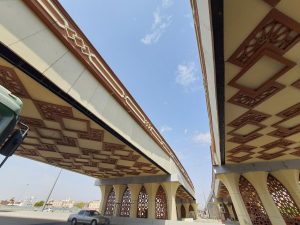
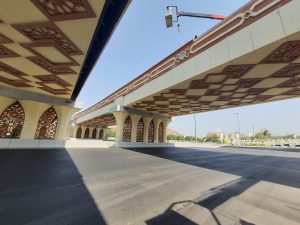
To learn more, explore our services and discover how we meet your project requirements with efficiency and high quality.
Choosing Materials and Details That Last
Materials are selected according to the project environment and maintenance requirements. Treated concrete, coated metals, or cladding panels may be suitable options, provided they are approved in accordance with the specifications and undergo the required testing. Effective Bridge Facade Design takes corrosion resistance, color stability, ease of replacing damaged components, and local material availability into account. When evaluating Bridge Facade Design options, it is also important to verify that the fixing system is compatible with the surface material and to request technical data before purchasing.
From Design to a Site-Ready Facade
Before execution, site dimensions, lifting and installation methods, and fixing procedures must be reviewed, with all work coordinated around traffic movement and safety requirements. Takween Industrial believes that successful design begins with understanding the project’s needs. Therefore, it is advisable to share site information, budget details, and the client’s requirements early to ensure the selection of a practical solution with clear details and straightforward maintenance. Documenting the Bridge Facade Design process helps align the expectations of the designer, supplier, and contractor, supporting an organized handover and maintaining finishing quality while reducing the risk of delays and modifications after work begins.
Get Takween’s solutions with ease. Contact us today to help bring your project to life with a high level of efficiency.


لا تعليق