

Islamic Facades: How Do We Design a Mosque Facade That Combines Identity and Beauty?
Islamic Facades are an essential part of mosque architecture. They are not merely walls, but a visual message that combines heritage and innovation. Their design requires skill to combine architectural beauty with historical identity.
This creates a sense of tranquility and reverence upon entering the mosque.
In Saudi Arabia, it is important to study the geographical location and climate before starting. Design success comes from selecting elements that express the place. Excessive decoration should be avoided to prevent distracting worshippers.
Architectural elements should be harmonious with the surrounding environment. Sustainable building materials should be used to improve energy efficiency. The balance between heritage and modernity creates timeless Islamic Facades in the memory of the community.
Key Takeaways
- The importance of the facade as a visual element that reflects the mosque’s identity.
- The need to balance traditional decorations with contemporary designs.
- The importance of studying the location and climate in Saudi Arabia.
- Avoiding excessive decoration to enhance devotion and tranquility.
- Using sustainable materials to ensure the longevity of the architectural design.
- Achieving harmony between the identity of the place and the architectural function.
Islamic Facades Reflecting the Mosque’s Identity and Spirit of the Place
Building Islamic Facades is a major challenge for architects. The facade is not merely an exterior covering of the building. It is a visual message that reflects the mosque’s identity and spiritual values within the community.
Understanding the Site and Architectural Environment in Saudi Arabia
Designing a mosque in Saudi Arabia requires an understanding of the surrounding environment. The architect must consider the nature of the neighborhood and the adjacent buildings. This ensures visual harmony.
Responding to the climate is very important. High temperatures and direct sunlight affect the choice of materials and the design of openings.
Studying wind movement and orienting the mosque toward the Qibla are important. This creates a comfortable environment for worshippers. Integrating the mosque into the urban fabric of the neighborhood enhances its presence as a social and spiritual center.
Here is a comparison showing the key differences in design criteria:
| Design Element | Traditional Style | Modern Style |
|---|---|---|
| Materials Used | Natural stone and clay | Concrete and smart glass |
| Openings | Narrow wooden mashrabiya | Treated glass facades |
| Visual Objective | Privacy and shade | Transparency and natural light |
Achieving Balance Between Islamic Symbols and Modernity
Balancing Islamic symbols and modernity requires artistic skill. The use of arches or geometric compositions should be done intelligently. This ensures that the mosque remains contemporary without losing its historical identity.
Arabic calligraphy or geometric decorations can be used in a simplified style. This aligns with modern architectural lines. The goal is to create Islamic Facades that evoke tranquility and inspire passersby with their beauty.


For more details, explore our services and discover how we meet your project requirements with efficiency and high quality.
Choosing Decorations and Materials to Build a Harmonious Facade
Choosing materials and decorations is very important when building distinctive Islamic Facades. These elements ensure the beauty of the mosque and its functionality in withstanding weather conditions.
Using Arches, Mashrabiya, and Geometric Decorations
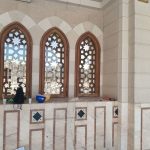
Arches and mashrabiya give the mosque a unique character. These elements highlight the contrast between light and shadow, increasing the beauty of the place.
Arches: They give a sense of spaciousness and grandeur to the main entrances.
Mashrabiya: They provide a high level of privacy while allowing natural air to pass through.
Geometric decorations: They add an artistic complexity that reflects the precision of Islamic art.
Selecting Stone, Paints, and Glass Suitable for the Climate
The climate of Saudi Arabia requires materials that are strong against heat and dust. Materials should maintain their beauty for years without the need for continuous maintenance.
Limestone or granite is beneficial due to its high thermal insulation capabilities. UV-resistant paints should be selected. Reflective glass can be used to reduce heat penetration, helping you build durable Islamic Facades.
Coordinating Colors and Lighting with Mosque Elements
The design depends on the harmony of colors and lighting. Carefully planned lighting highlights the details of the decorations at night, making the mosque a prominent landmark.
Using warm lighting highlights the texture of the stone and the details of the mashrabiya. Avoid strong lighting that may compromise the beauty of the facade. Precise coordination between colors and lighting ensures beautiful and dignified Islamic Facades.
“Islamic architecture is a visual language that speaks of the balance between matter and spirit, where every small detail serves a higher purpose in highlighting the sanctity of the place.”
Expert in Islamic Architecture
In conclusion, integrating traditional elements with modern technologies in Islamic Facades requires art and awareness. Choosing suitable materials and intelligently incorporating decorations leads to architectural structures worthy of the status of mosques.
Conclusion
Designing Islamic Facades is an art that requires high precision. Visual elements must be carefully selected. Success comes from harmony between the geographical location and heritage symbols.
The selected materials enhance the building’s resilience in Saudi Arabia. Carefully planned lighting combined with geometric decorations highlights the beauty of the mosque.
Islamic Facades express the spiritual values of the community. We recommend that engineers focus on fine details. This gives the mosque a unique character.
We hope to participate in your upcoming architectural projects. Do you think using local materials contributes to the success of designs?
Frequently Asked Questions
What Are the Principles Behind Designing Islamic Facades for Mosques in Saudi Arabia?
The design begins with carefully studying the site and understanding the surrounding environment. The facade should reflect Islamic identity. Harsh climatic conditions should also be considered to ensure the sustainability of the building.
Architectural elements that express the spirit of the place are integrated without excessive decoration. This ensures the beauty of the mosque facade.
How Can We Achieve a Balance Between Traditional Architecture and Modernity in Mosque Facade Design?
This can be achieved by using Islamic symbols such as arches and geometric decorations in a simplified and contemporary style. This gives the mosque an architectural presence that combines the authenticity of the past with the development of the present.
Adhering to simplicity serves the spiritual function of the mosque. It also makes it harmonious with the modern buildings surrounding it.
What Are the Best Materials for Implementing Islamic Facades That Can Withstand the Saudi Climate?
The use of natural Riyadh stone and marble is recommended. They have high heat resistance. Dust-resistant paints and insulating glass are also recommended.
These materials ensure that the beauty of the mosque facade is preserved for long periods.
What Is the Role of Mashrabiya and Geometric Decorations in Shaping the Facade’s Identity?
Mashrabiya play a dual role. They give the facade a unique aesthetic character. They also serve as an effective shading element.
Geometric decorations add an artistic touch that connects the mosque’s design to the rich architectural heritage.
How Does Coordinating Lighting and Colors Help Highlight the Beauty of the Mosque Facade?
Carefully planned lighting highlights architectural details at night. It gives them grandeur and dignity. Coordinating earthy and calm colors creates a sense of visual tranquility.
The mosque becomes a prominent landmark that combines identity and beauty within the Saudi environment.
Get comprehensive solutions from Takween with ease, and contact us now to help us execute your project with high efficiency.
لا تعليق